
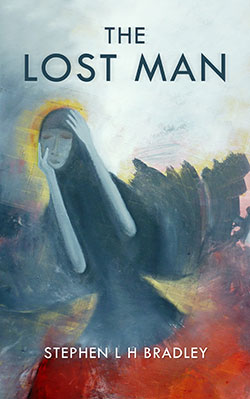
The Lost Man
Written: 6 September 2013 to 26 September 2013
A Novel
Part of: The White Island Series
Who am I? he said to himself.
There was no answer, he did not know.
The room had blue walls and red curtains. He did not recognise the walls or know the curtains.
He lay for a long time, stunned like a punch-drunk boxer, waiting to wake up, for another layer of consciousness to come. But nothing did.
This is it, he thought eventually, this must be my life.’
At first, The Lost Man appeared to stand apart from the larger sequence: a self-contained narrative with its own characters, landscape and concerns. Looking back, however, it occupies an important place within the wider chronology, continuing many of the themes that had been developing since White Island while moving into new emotional territory.
Questions of identity, memory, childhood, family and belonging remain central. Yet the novel approaches them with a different mood and sensibility from its predecessors.
WHY THE LOST MAN MATTERS
The Lost Man occupies a unique place within the sequence.
Unlike the books that preceded it, the novel initially seemed to arrive unexpectedly, as though it belonged to a different story altogether. In time, however, its connections to the larger body of work became increasingly apparent.
Looking back, what remains most vivid is not a particular plot point or revelation but the experience of writing the book itself. Despite containing moments of darkness and difficulty, The Lost Man remains one of the most uplifting and rewarding writing experiences I can remember.
Like all streamed works, the story unfolded in real time as it was being written. I did not know where it was going. I experienced the events of the novel at the same moment they appeared on the page.
For this reason, The Lost Man remains associated in my memory with a sense of discovery, wonder and unexpected beauty.
THE FIRST PAGES
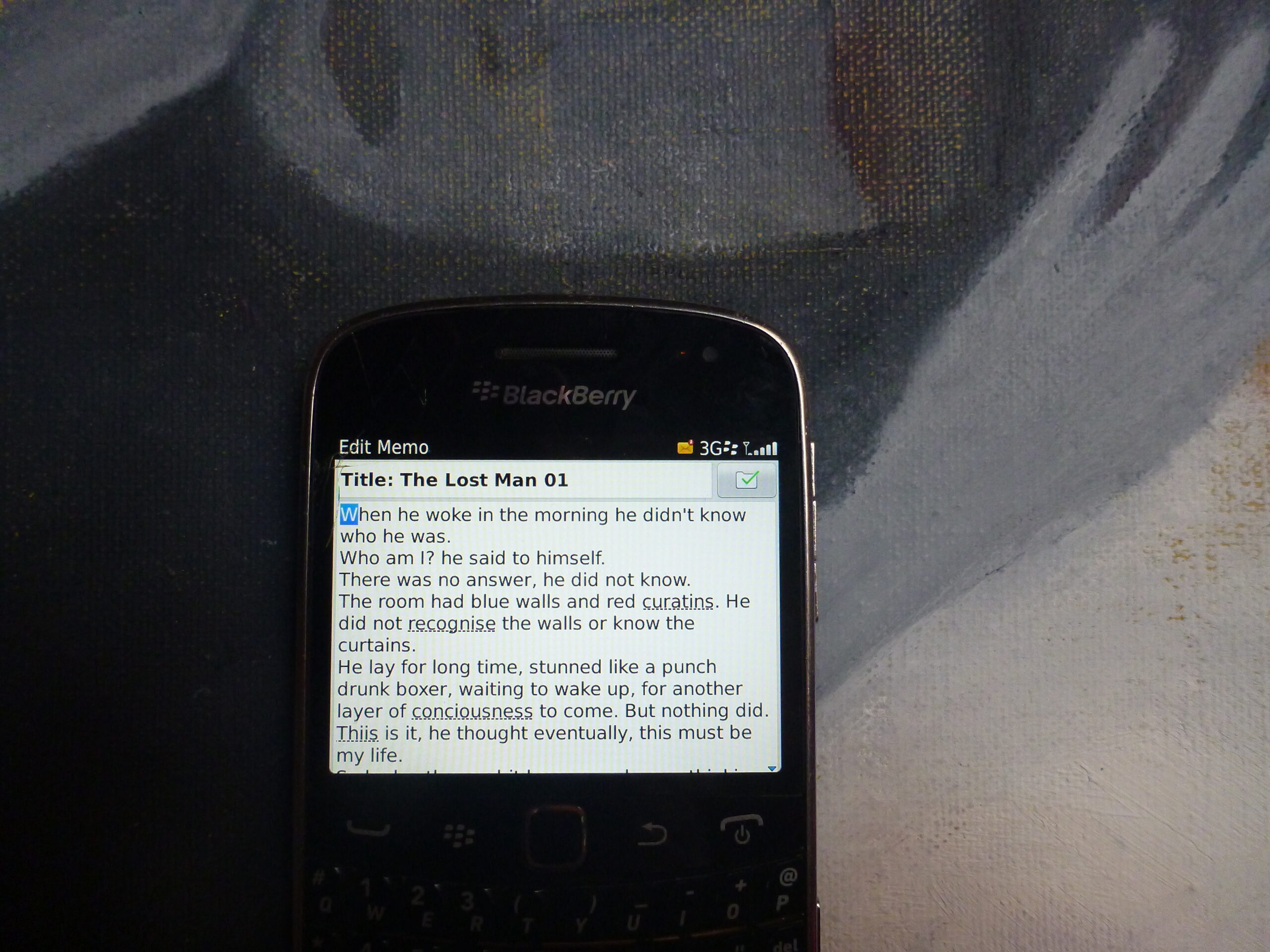
The opening chapter of The Lost Man as it first appeared on Stephen L H Bradley’s BlackBerry during the writing process.
The photograph was taken with the device resting on She Dreams of Liberation (2012), the painting that would later become the cover image for the novel.
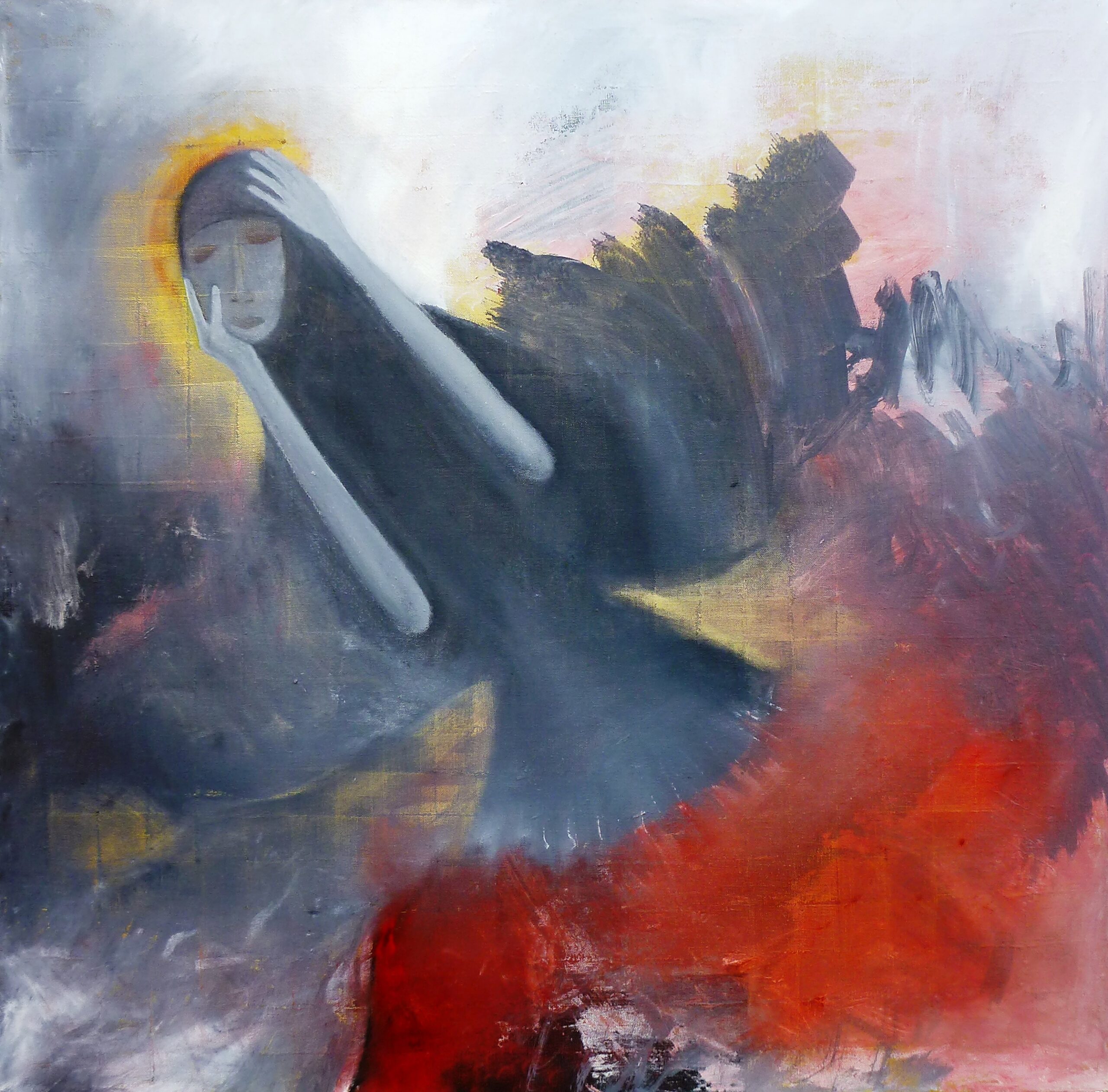
SHE DREAMS OF LIBERATION
The cover image for The Lost Man is drawn from the painting She Dreams of Liberation (2012), created two years before the novel itself.
As with several works in the White Island sequence, the relationship between painting and manuscript appears to have emerged retrospectively. The visual and literary streams of the work developed independently before unexpectedly intersecting.
The use of the painting on the cover became another example of the continuing dialogue between writing and painting that runs throughout my creative practice.
THE WHITE ISLAND SERIES
At the time of writing, The Lost Man was regarded as part of an interconnected sequence of novels that began with White Island.
Looking back, the boundaries of that sequence became less certain as later works returned to the same landscape, characters and concerns. The Lost Man occupies a pivotal place within that evolving body of work.
RELATED LINKS
- Explore the White Island Series
- The Other Room
- View She Dreams of Liberation
- Return to Creative Timeline