
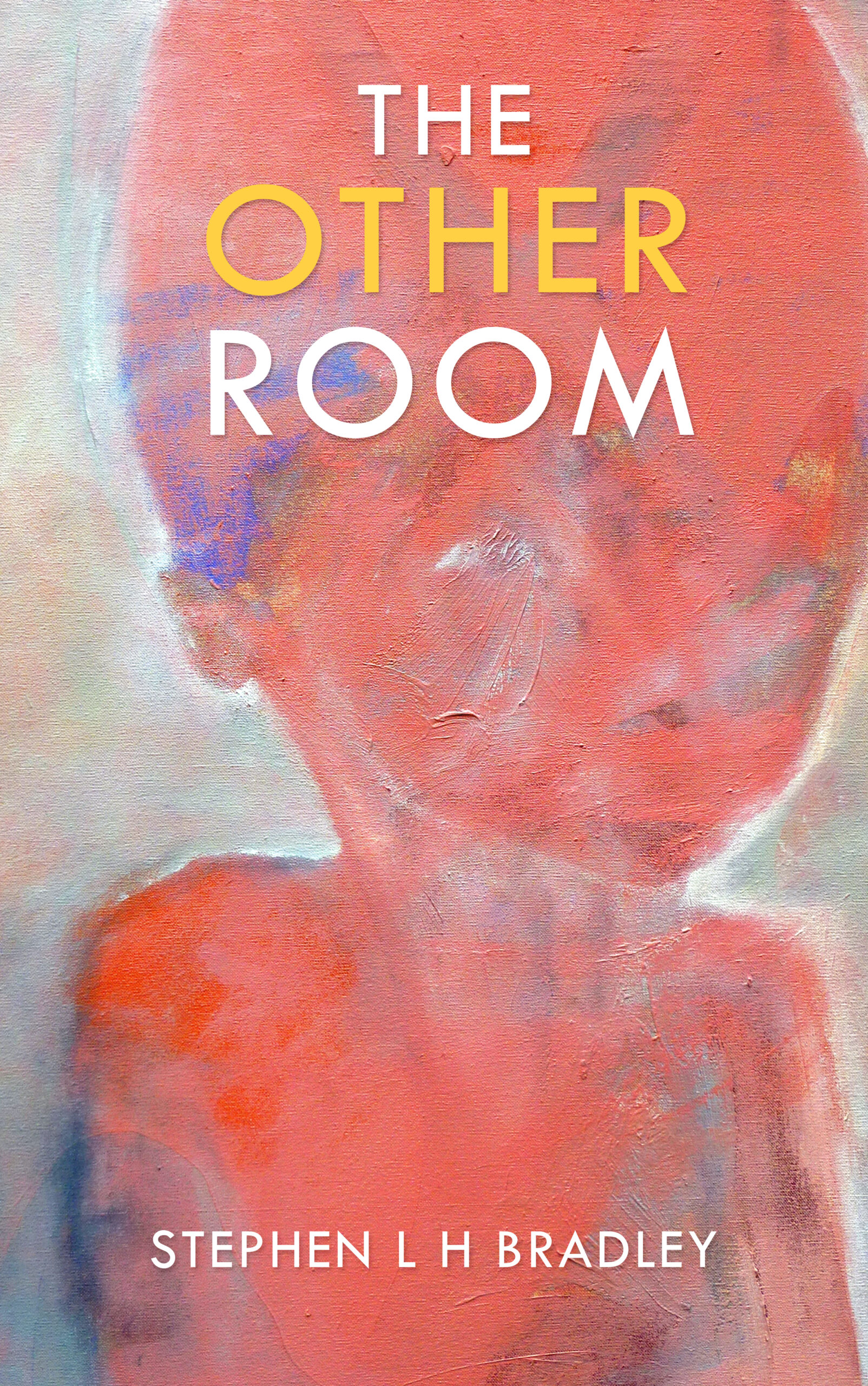
The Other Room
Written 16 June to 21 August 2013
A Novel
Part of: The White Island Series
The Other Room occupies a distinctive place within the White Island sequence. Following the expansive scope of The Time Capsule, the novel returns to more intimate and emotionally demanding territory.
Questions of memory, identity, childhood, loss and connection remain central, but the landscape becomes more uncertain. Rather than offering easy answers, the novel invites the reader into a world of ambiguity, consequence and unresolved emotional realities.
Looking back, The Other Room stands at a crucial turning point within the larger sequence. Themes introduced in earlier works deepen here, while new possibilities begin to emerge that would shape the books that followed.
WHY THE OTHER ROOM MATTERS
Of all the books in the White Island sequence, The Other Room may be the most challenging.
One reader who had enthusiastically embraced the earlier novels described finding it difficult to continue, not because the work was misunderstood, but because it demanded a different kind of engagement. The book asks the reader to remain with uncertainty and complexity rather than resolution.
Viewed in hindsight, its importance becomes clearer. The Other Room occupies a pivotal position within the chronology, deepening questions raised in the earlier books while opening pathways that would later be explored in subsequent works.
The novel’s recurring concerns with childhood, memory, loss and reconnection continue themes that run throughout the wider sequence, while pushing them into more demanding emotional territory.
THE FIRST PAGES
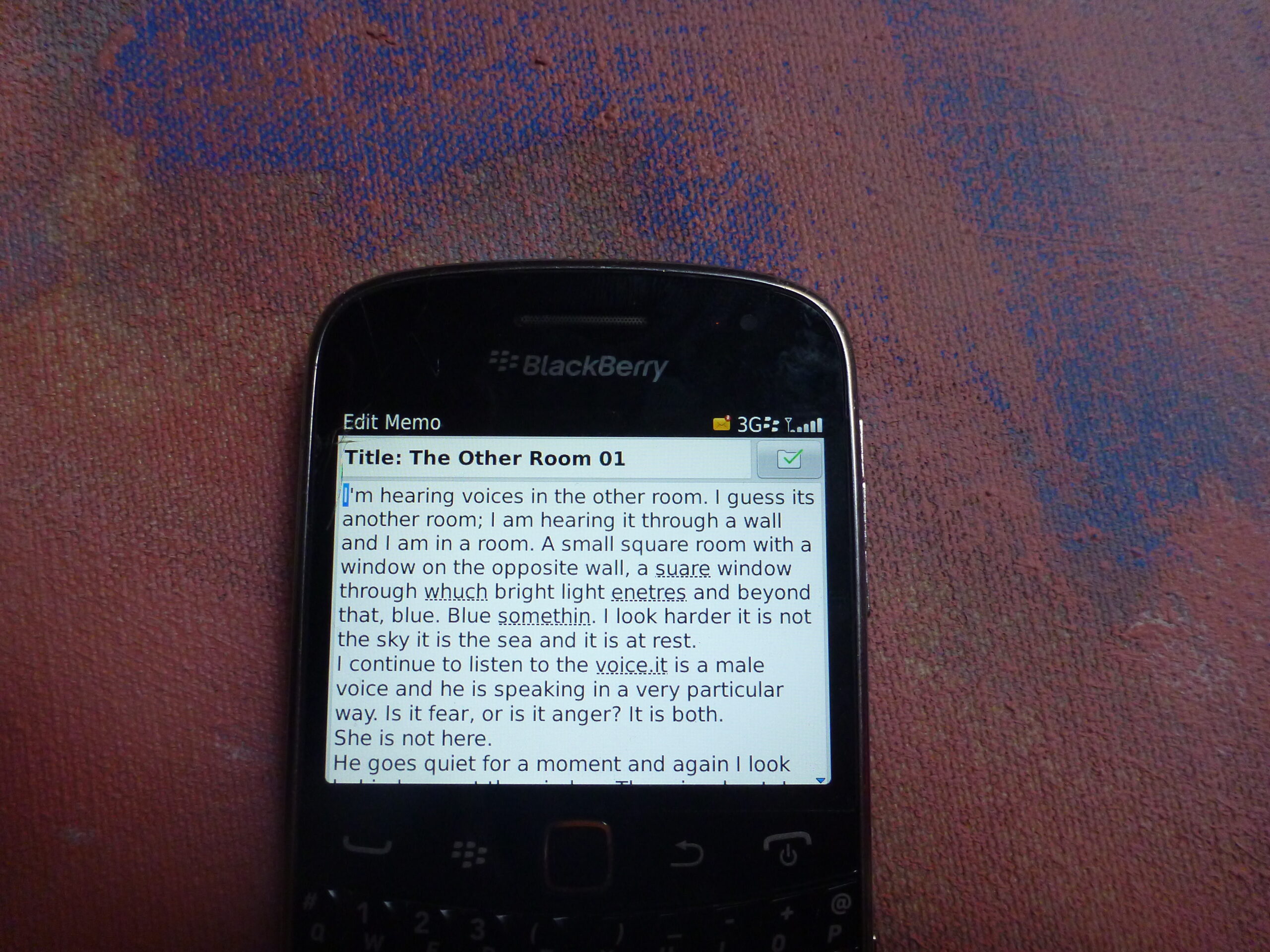
The opening chapter of The Other Room as it first appeared on Stephen L H Bradley’s BlackBerry during the writing process. The photograph was taken with the device resting on Earth Child, the painting that would later become the cover image for the novel.
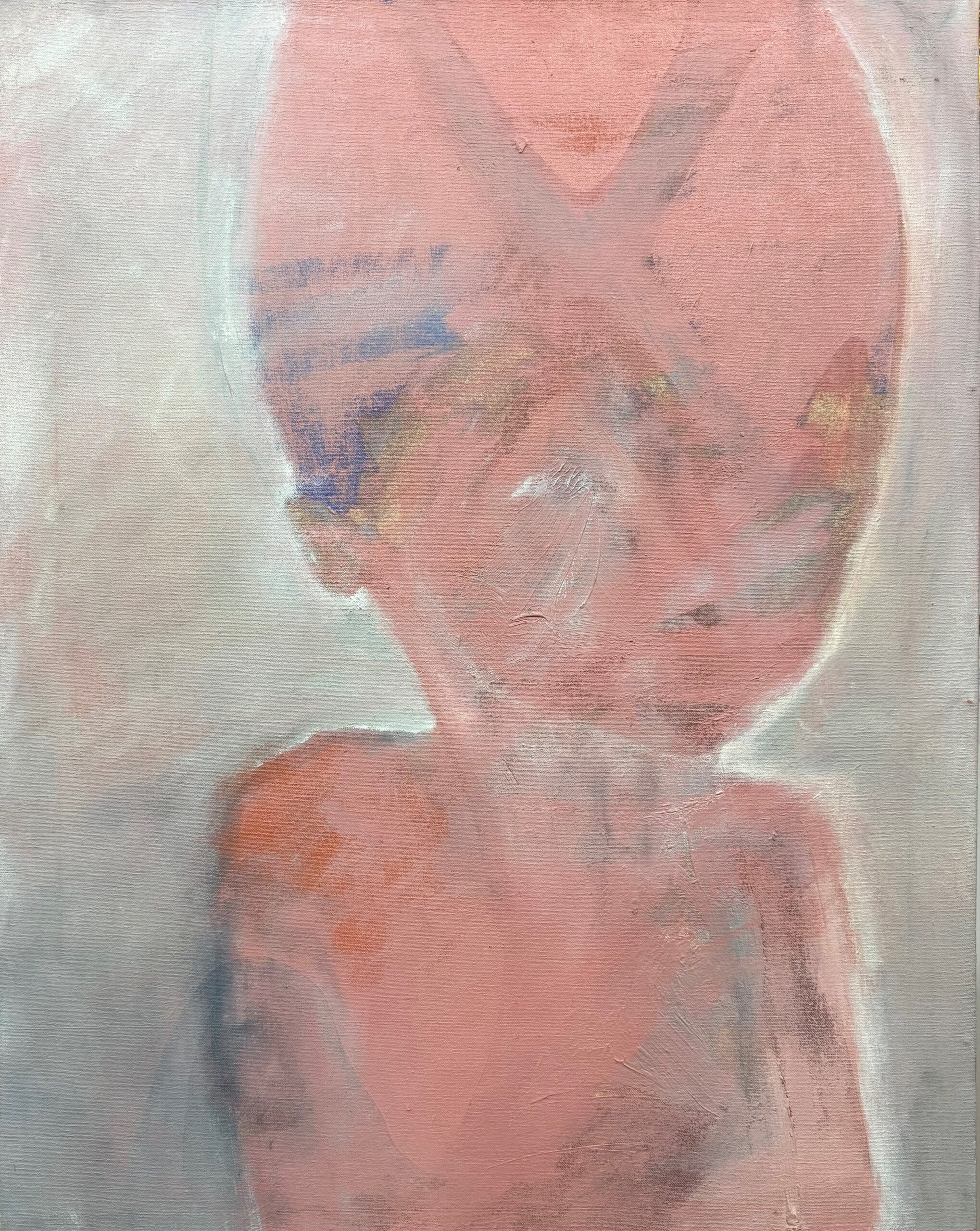
EARTH CHILD
The painting Earth Child occupies a special place in the history of The Other Room. Not only did it become the cover image for the novel, but it also echoes many of the book’s recurring concerns: childhood, vulnerability, renewal and the possibility of recovery after loss.
The connection between the painting and the novel became even more apparent when a photograph surfaced of the opening chapter displayed on a BlackBerry resting directly upon the Earth Child painting during the writing process.
RELATED LINKS
- Explore the White Island Series
- The Time Capsule
- The Lost Man
- View Earth Child
- Return to Creative Timeline